
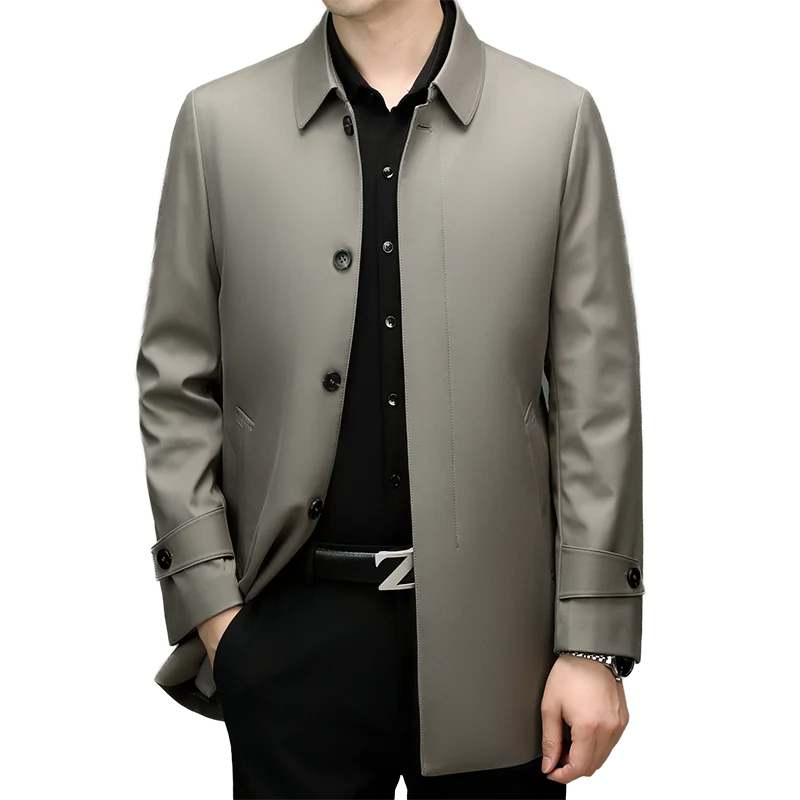
Understanding Lightweight Topcoats: The Modern Essential
The lightweight topcoat has emerged as a cornerstone of modern menswear, offering exceptional versatility without sacrificing style. Unlike traditional overcoats which can weigh between 4-6 pounds (1.8-2.7 kg), lightweight options typically weigh just 2-3 pounds (0.9-1.4 kg), making them significantly more practical for everyday wear.
What defines a truly lightweight topcoat goes beyond just weight:
- Materials under 300g per meter (compared to 400-600g in traditional overcoats)
- Less structured lining, allowing for improved breathability
- More flexible construction that moves with your body
- Slimmer silhouette that works across multiple settings
The remarkable versatility of lightweight topcoats spans across seasons, from brisk spring mornings to cool summer evenings, throughout autumn, and even on milder winter days. This multi-season functionality makes men’s topcoats a smart investment for any thoughtful wardrobe.
Beyond seasonal adaptability, lightweight topcoats offer practical advantages that heavier alternatives simply can’t match:
- Enhanced freedom of movement without restriction
- Easy to pack for travel without consuming excessive suitcase space
- Superior layering potential without creating a bulky silhouette
- Comfortable for extended wear, whether commuting or socializing
Throughout this guide, we’ll explore everything you need to master your lightweight topcoat styling—from finding the perfect fit and selecting ideal fabrics to crafting outfits for every occasion and maintaining your investment piece for years to come.
Achieving the Perfect Fit: Foundation of Topcoat Style
The difference between a topcoat that elevates your entire appearance and one that undermines it often comes down to a single factor: fit. A lightweight topcoat should contour your body in a way that flatters your silhouette without restricting movement.
Shoulders: The Critical Starting Point
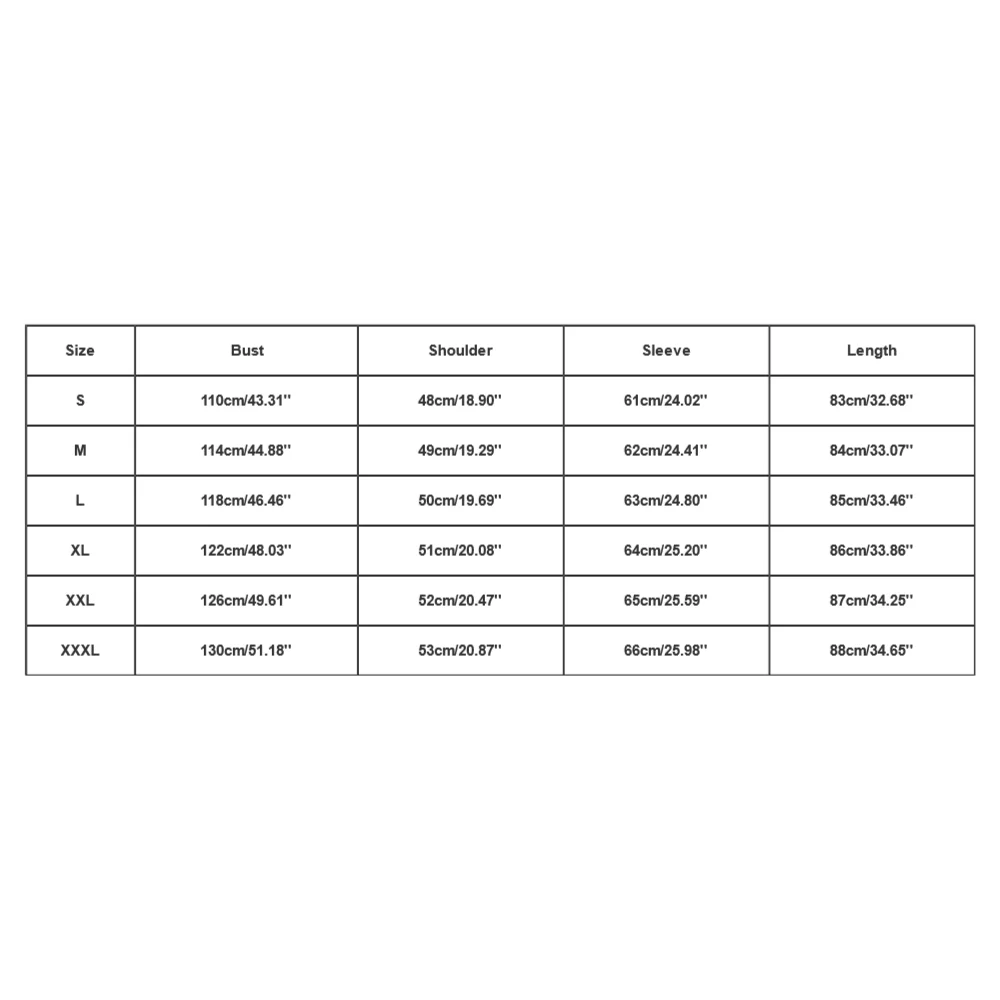
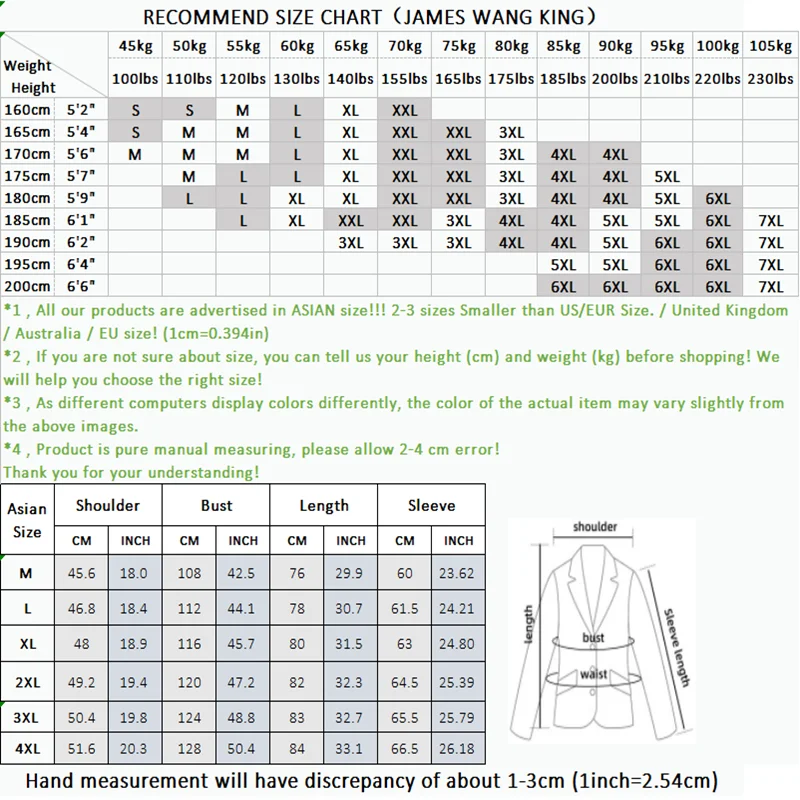
Your topcoat shoulders should align precisely with your natural shoulder edge. Too wide creates a sloppy, oversized appearance; too narrow restricts arm movement and creates unsightly pulling across the upper back. The shoulder seam should sit right at the edge of your shoulder bone.
Chest: Room for Layers Without Excess
When buttoned, you should be able to place a flat hand inside your coat against your chest comfortably. This provides enough room for light layering without creating a boxy silhouette. If you can fit a fist, the coat is likely too large; if you can’t fit your hand flat, it’s too tight.
Sleeve Length: Precision Matters
Proper sleeve length allows 1/4 to 1/2 inch (0.6-1.3 cm) of your shirt cuff to show when your arms are at rest. This creates a visually pleasing proportion and prevents the coat from appearing too short or overly long in the arms.
Overall Length: Finding Your Balance
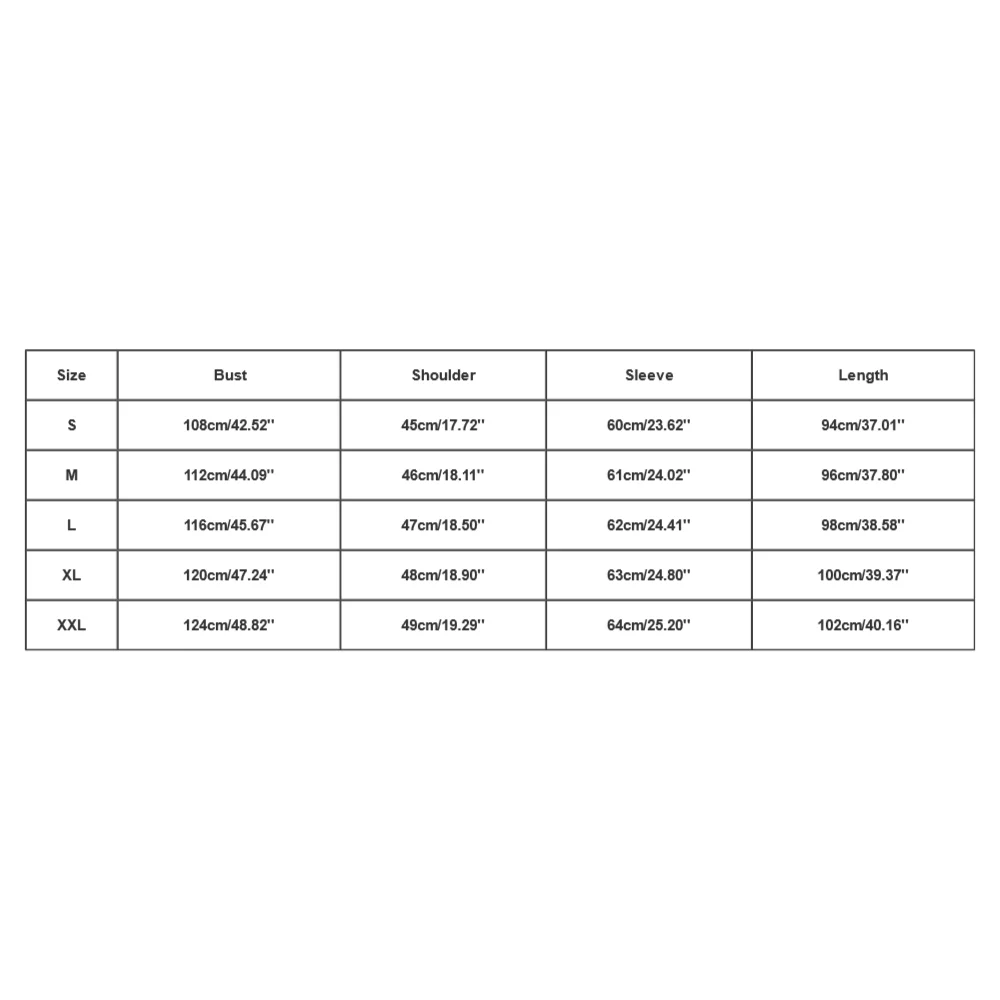
The modern standard for lightweight topcoats typically falls to mid-thigh, though this should be adjusted based on your height. Understanding the perfect coat length for your height can dramatically improve your overall appearance. Generally:
– For men under 5‘9” (175 cm): Aim for a coat that hits at the upper thigh
– For men 5‘9”-6‘2” (175-188 cm): Mid-thigh length works well
– For men over 6‘2” (188 cm): Lower thigh can be appropriate
Adapting to Your Body Type
Different body types require subtle adjustments in topcoat fit. Men with broader builds should avoid overly slim cuts that can appear strained, while slimmer individuals should be careful not to choose overly roomy coats that might overwhelm their frame. Finding the perfect coat length for every body type ensures your topcoat enhances rather than detracts from your natural proportions.
When trying on a lightweight topcoat, always test it both with and without your typical underlying layers. This ensures comfort and proper fit in all the situations you’ll actually wear it.
Fabric Selection: The Key to True Lightweight Performance
The fabric of your topcoat determines not just its weight, but also its drape, breathability, and overall performance across different conditions. Understanding fabric characteristics helps you select a truly functional lightweight topcoat.
Optimal Fabric Weights
For maximum versatility, aim for these fabric weight ranges:
– Spring/Summer: 7-9 oz/200-255g per meter
– Fall/Mild Winter: 10-12 oz/280-340g per meter
These weights balance structure and lightness, allowing your coat to maintain its shape while remaining comfortable.
Material Advantages for Lightweight Performance
Each fabric brings unique benefits to lightweight topcoats:
Cotton and Cotton Blends
– Superior breathability for warmer conditions
– Natural feel against the skin
– Casual versatility that works with everything from t-shirts to sweaters
– Often more affordable than wool options
Lightweight Wool and Wool Blends
– Natural temperature regulation that works across seasons
– Excellent drape that creates a refined silhouette
– Wrinkle resistance for travel and extended wear
– Premium appearance suitable for formal settings
Many wool blend coats offer the perfect balance between lightness and structure, making them excellent all-around performers.
Linen and Linen Blends
– Maximum breathability for warm weather
– Distinctive natural texture adds visual interest
– Lightweight feel that’s ideal for spring and summer
– Relaxed appearance perfect for casual and smart-casual settings
Technical Fabrics
– Water and wind resistance for unpredictable weather
– Lightweight construction with performance features
– Often machine washable for easy maintenance
– Modern aesthetic that works well in urban environments
Fabric Weaves and Texture
Beyond the material itself, the weave significantly impacts a topcoat’s performance:
– Twill weaves offer excellent durability while maintaining lightness
– Plain weaves provide maximum breathability for warmer conditions
– Open weaves create air circulation but sacrifice some weather protection
– Textured weaves add visual interest without additional weight
When selecting a lightweight topcoat, consider how the fabric will perform in your typical climate and how it balances durability with comfort across multiple seasons.
Color & Pattern Strategies for Maximum Versatility
Choosing the right color and pattern for your lightweight topcoat significantly impacts its versatility and how easily it integrates with your existing wardrobe.
Essential Neutral Colors
These foundational colors offer maximum styling potential:
Navy Blue
– Flatters virtually all skin tones
– Pairs seamlessly with both casual and formal attire
– Creates a sophisticated appearance that’s never out of place
– Hides minor stains and wear better than lighter options
Charcoal Grey
– Professional appearance suitable for business settings
– Versatile enough to work with nearly any color palette
– Provides a modern alternative to black that’s less severe
– Transitions effortlessly from day to evening
The collection of grey overcoats offers variations from light to dark to suit different preferences.
Camel/Tan
– Creates striking contrast with dark clothing
– Brightens winter wardrobes while remaining sophisticated
– Works exceptionally well with blues, greys, and earth tones
– Adds warmth to your complexion, especially in natural light
Stone/Oatmeal
– Perfect for spring and summer lightweight topcoats
– Creates a relaxed yet refined appearance
– Pairs beautifully with pastel and earthy color palettes
– Offers a fresh alternative to traditional dark outerwear
Secondary Color Options
For those building expanded wardrobes:
Olive Green
– Surprisingly versatile neutral that works with most colors
– Creates a distinctive appearance without being flashy
– Perfect for casual and smart-casual settings
– Complements both warm and cool complexions
Burgundy/Oxblood
– Rich appearance that stands out tastefully
– Works beautifully with navy, grey, and camel bases
– Adds sophistication to casual outfits
– Creates a distinguished evening look
Pattern Considerations
Patterns add character but require careful consideration:
Herringbone
The subtle visual texture of herringbone coats adds sophistication without limiting versatility. The pattern’s classic nature ensures longevity in your wardrobe.
Subtle Checks
Small-scale checks create visual interest while maintaining the coat’s ability to pair with multiple outfits. Stick to checks with minimal contrast for maximum versatility.
Pinstripes
Fine, subtle pinstripes can elongate your silhouette and add a formal touch. They work best in traditional business settings and pair naturally with suits.
When selecting colors and patterns, consider your existing wardrobe first. The most versatile lightweight topcoat will complement the majority of your clothing, not just a few specific outfits.
Casual Styling: Elevating Everyday Outfits
The lightweight topcoat possesses a remarkable ability to instantly elevate casual outfits without making them appear overdressed. This balance makes it perfect for everything from weekend coffee runs to casual dinner dates.
Pairing with Jeans
Jeans and topcoats create an effortless high-low mix that feels both modern and comfortable:
- Dark wash jeans + white t-shirt + camel topcoat + white sneakers: This combination creates a clean, minimalist look that works in countless settings
- Black jeans + grey sweatshirt + navy topcoat + Chelsea boots: Perfect for casual evening activities with a slightly edgier appearance
- Medium wash jeans + chambray shirt + tan topcoat + desert boots: Creates a rugged yet refined weekend look
Keep the silhouette slim and cohesive—baggy jeans can disrupt the clean lines of a tailored topcoat.
Combining with Chinos
Chinos offer a slightly more polished alternative to jeans while maintaining casual comfort:
- Olive chinos + navy polo + grey topcoat + leather sneakers: Refined casual that works for lunch meetings or weekend activities
- Khaki chinos + burgundy sweater + camel topcoat + brown loafers: Smart enough for casual Fridays, comfortable enough for weekend wear
- Navy chinos + light blue Oxford shirt + stone topcoat + white sneakers: Perfect spring combination that balances casual and refined elements
Weekend Relaxed Looks
Embrace more relaxed pairings without sacrificing style:
- Topcoat over a hoodie: Choose a streamlined hoodie in a solid color for a contemporary urban look
- With joggers: Stick to premium, tailored joggers in neutral colors rather than athletic styles
- Over a henley and jeans: The perfect middle ground between t-shirts and button-ups
Understanding the men’s coat length guide helps ensure your casual looks maintain proper proportion, as topcoats that are too long can overwhelm casual outfits.
The key to successful casual topcoat styling lies in balancing refined and relaxed elements. The coat adds sophistication, while the underlying casual pieces keep the look approachable and comfortable.
Smart-Casual & Business-Casual Styling: Refined Versatility
The lightweight topcoat truly shines in smart-casual and business-casual settings, where it bridges the gap between formal and casual with remarkable elegance.
Smart-Casual Outfit Combinations
With Wool Trousers
– Grey wool trousers + navy merino sweater + camel topcoat + brown Chelsea boots
– Charcoal wool trousers + burgundy turtleneck + navy topcoat + black loafers
– Navy wool trousers + light blue button-down + olive topcoat + tan derby shoes
The texture contrast between smooth topcoat fabrics and nubby wool trousers creates visual interest while maintaining a cohesive appearance.
With Dark Denim
Dark, well-fitted jeans provide an excellent foundation for smart-casual topcoat styling:
– Dark indigo jeans + light grey cashmere sweater + navy topcoat + brown brogues
– Black jeans + white Oxford shirt + camel topcoat + black Chelsea boots
The key is ensuring your denim is free from distressing or excessive fading for a cleaner aesthetic.
With Chinos
– Tan chinos + navy knit polo + grey topcoat + brown loafers
– Burgundy chinos + light blue Oxford shirt + navy topcoat + dark brown derby shoes
Business-Casual Applications
Non-Suit Office Environments
When suits aren’t required but professionalism is expected:
– Navy dress pants + light blue dress shirt + grey topcoat + black cap-toe shoes
– Grey dress pants + white shirt + burgundy sweater + camel topcoat + brown Oxford shoes
Client Meetings
Create an approachable yet professional appearance:
– Navy blazer + grey trousers + blue shirt + navy topcoat + brown brogues
– Grey blazer + charcoal trousers + white shirt + camel topcoat + black loafers
Business Travel
Versatile combinations that work across different business settings:
– Navy blazer + dark jeans + light blue shirt + grey topcoat + versatile brown shoes
– Charcoal trousers + navy merino sweater + camel topcoat + black Chelsea boots
Understanding the advantages of different coat styles through a short vs long coats guide can help you select the right proportions for your business-casual outfits.
For the office and professional settings, dress coats provide a refined appearance while maintaining the lightweight advantage.
Pay special attention to collar interactions between your shirt, jacket, and topcoat. All three should lie flat without bunching or gaps for a polished appearance.
Formal & Evening Styling: Sophisticated Elegance
While lightweight topcoats are celebrated for their versatility across casual and smart-casual settings, they also excel in formal contexts when properly styled. The right lightweight topcoat can complement tailored clothing while providing practical benefits that heavier overcoats can’t match.
Styling Over Tailoring
When wearing your topcoat over suits or formal attire:
- Choose a topcoat slightly longer than your suit jacket (typically 2-3 inches/5-7.5 cm longer)
- Ensure the shoulders of your topcoat are just slightly wider than your suit to prevent bunching
- Select a coat with a clean, minimalist design for maximum formality
- Opt for darker colors like navy, charcoal, or black for evening events
For formal occasions, understanding the perfect winter coat length guide helps ensure your proportions remain elegant and balanced.
Evening Event Styling
For sophisticated evening appearances:
– Pair a black topcoat with a black suit for formal black-tie events
– Choose a navy topcoat over a charcoal suit for elegant dinner settings
– Consider a camel topcoat over a navy suit for distinctive yet appropriate formal style
Classic black overcoats remain the gold standard for formal evening events, offering timeless elegance that works across virtually all formal occasions.
Dinner and Entertainment
When dining out or attending cultural events:
– Navy topcoat + grey suit + burgundy tie: Perfect for fine dining experiences
– Charcoal topcoat + navy suit + silver tie: Ideal for theater or concert attendance
– Camel topcoat + black suit + black tie: Creates a distinctive yet appropriate evening look
For formal styling, the fabric quality of your topcoat becomes especially important. Fine wools and cashmere blends create a luxurious drape that enhances formal attire rather than detracting from it.
Remember that simplicity reigns in formal settings—minimal patterns, restrained accessories, and perfect fit create the most sophisticated appearance when wearing a lightweight topcoat for evening occasions.
Mastering Layering Techniques for Lightweight Topcoats
The lightweight topcoat’s greatest advantage may be its layering potential. By understanding proper layering techniques, you can extend its wearability across seasons and temperature fluctuations throughout the day.
Core Layering Principles
Successful layering with lightweight topcoats follows these fundamental principles:
Build from Thin to Thick
Start with the thinnest, most fitted layers closest to your body, gradually increasing in weight and bulk as you move outward. This creates a smooth silhouette and prevents uncomfortable bunching.
Manage Fabric Weight
Each layer should complement the others without creating excessive bulk:
– Base layers: 80-150g fabrics (fine cotton, merino)
– Mid layers: 150-250g fabrics (light sweaters, unlined blazers)
– Outer layer (topcoat): 200-340g fabric
Maintain Visual Balance
Each visible layer should contribute to a cohesive appearance through complementary colors and textures.
Specific Layering Combinations
Light Knitwear + Topcoat
Perfect for mild conditions (55-65°F/13-18°C):
– Merino crew neck + camel topcoat
– Cashmere V-neck + navy topcoat
– Cotton sweater + grey topcoat
This simple two-piece layering creates a clean look while providing moderate warmth.
Shirt + Sweater + Topcoat
Ideal for cooler weather (45-55°F/7-13°C):
– Oxford shirt + light cardigan + topcoat
– Dress shirt + crew neck sweater + topcoat
– Flannel shirt + lightweight sweater + topcoat
Blazer/Sport Coat + Topcoat
Perfect for business settings and variable temperatures:
– Dress shirt + unlined wool blazer + topcoat
– Oxford shirt + cotton sport coat + topcoat
– Turtleneck + tweed blazer + topcoat
For men concerned about proportions, understanding what length coat makes you taller can help create a more flattering layered appearance.
Managing Sleeve Lengths
When layering, pay careful attention to sleeve relationships:
– Shirt cuff should extend 1/4-1/2 inch (0.6-1.3 cm) beyond sweater sleeve
– Blazer sleeve should allow 1/4 inch (0.6 cm) of shirt cuff to show
– Topcoat sleeve should end at wrist bone or slightly below
These proportional relationships create visual harmony and demonstrate attention to detail.
Collar Management
When layering multiple collared pieces:
– Ensure all collars lie flat without buckling
– Topcoat collar should frame underlying collars rather than competing with them
– Consider the collar style of each layer (spread, point, button-down) for overall coherence
Mastering these layering techniques allows you to maximize the versatility of your lightweight topcoat across different temperatures and settings.
Accessorizing Your Lightweight Topcoat
The right accessories can transform your lightweight topcoat, enhancing its versatility and expressing personal style. Thoughtful accessorizing also extends the seasonal range of your coat and adds functional benefits.
Scarves: The Perfect Companion
Scarves pair naturally with topcoats, adding both warmth and visual interest:
Materials for Different Seasons
– Lightweight cashmere: Provides warmth without bulk, perfect for fall and mild winter
– Silk: Adds a touch of luxury for formal settings without significant warmth
– Cotton and linen blends: Ideal for spring when you need just a touch of warmth
– Wool: Maximum warmth for colder days while still working with lightweight topcoats
Wearing Styles
– Draped: Simply hung around the neck for a casual, effortless look
– Once around: A single loop for balanced warmth and visual impact
– Parisian knot: Folded in half with ends pulled through the loop for a secure, classic look
– Tucked in: Wrapped and tucked into the coat for maximum warmth and formality
Hats: Complementing Your Coat
Select hat styles that maintain the same level of formality as your topcoat:
- Wool beanie: Works well with casual and smart-casual topcoat styling
- Flat cap: Versatile option that bridges casual and more formal looks
- Fedora: Pairs beautifully with formal topcoat styling
- Baseball cap: Can work with very casual topcoat outfits in relaxed settings
Gloves: Practical Elegance
Gloves should balance protection with aesthetic harmony:
- Leather gloves: Classic option that works across formality levels
- Suede gloves: Adds texture while maintaining sophistication
- Knit gloves: More casual option best for relaxed topcoat styling
- Driving gloves: Sophisticated yet functional for daily wear
For comprehensive style advice, the men’s coat length style guide provides insights on how accessories should complement different coat proportions.
Bags: Functional Coordination
The bag you carry should harmonize with your topcoat’s level of refinement:
- Leather briefcase: Perfect complement to formal topcoat styling
- Messenger bag: Works well with smart-casual topcoat outfits
- Canvas tote: Casual option that pairs with relaxed topcoat looks
- Backpack: Choose leather or waxed canvas styles for best coordination
When accessorizing, remember that each element should serve both a practical and aesthetic purpose. The goal is to enhance your topcoat’s appearance while extending its functionality across different conditions and settings.
Essential Do’s and Don’ts for Topcoat Excellence
| Do | Don’t |
|---|---|
| Prioritize proper fit above all else | Wear topcoats that restrict movement across shoulders |
| Choose fabrics appropriate for your climate | Select heavy materials that defeat the “lightweight” purpose |
| Consider the overall silhouette when styling | Mix drastically different formality levels in a single outfit |
| Ensure the coat length flatters your height | Wear a topcoat that ends at an awkward mid-leg position |
| Match footwear to the coat’s level of formality | Pair highly formal topcoats with casual sneakers |
| Maintain proper care based on fabric type | Expose delicate fabrics to harsh weather conditions |
| Embrace strategic layering for extended wear | Overload with bulky items underneath |
| Select colors that complement your existing wardrobe | Choose trendy colors that limit versatility |
Understanding these principles ensures you get maximum value from your lightweight topcoat. For those interested in longer styles, the definitive guide to full coat length provides additional insights.
Seasonal Adaptation: Year-Round Topcoat Strategies
The lightweight topcoat’s greatest strength is its adaptability across seasons. With strategic styling adjustments, you can extend its wearability throughout much of the year.
Spring Topcoat Strategies
As temperatures begin to rise (50-65°F/10-18°C), adapt your topcoat styling:
- Opt for lighter colors like stone, light grey, or camel that reflect the season
- Choose breathable underlayers like cotton shirts and lightweight sweaters
- Embrace brighter accent colors in accessories to complement the season
- Consider unbuttoned styling to create a more relaxed, seasonal appearance
Summer Evening Applications
While not an obvious summer piece, lightweight topcoats work surprisingly well for cooler summer evenings (60-68°F/15-20°C):
- Select the lightest weight options in breathable fabrics like cotton or linen blends
- Wear over a single light layer like a dress shirt or lightweight polo
- Choose lighter colors that don’t absorb heat
- Consider shorter lengths that create a more seasonal silhouette
Fall Versatility
Fall presents ideal conditions for lightweight topcoats (45-60°F/7-15°C):
- Incorporate warmer mid-layers like light sweaters or vests
- Embrace rich, seasonal colors in accessories (burgundy, mustard, forest green)
- Consider topcoats in earth tones that complement fall color palettes
- Add textural interest through accessories like wool scarves
Mild Winter Adaptation
In milder winter climates or early/late winter conditions (35-45°F/2-7°C):
- Maximize layering with thermal base layers, sweaters, and blazers
- Add winter accessories like cashmere scarves, leather gloves, and wool hats
- Select the heaviest options within the “lightweight” category
- Consider topcoats with partial linings that add warmth without bulk
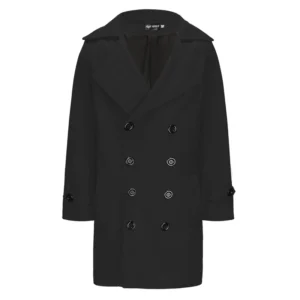

Mens Double Breasted Pea Coat, Mens Wool Blend Coat, Mens Wool Pea Coat
Price range: $136.84 through $157.36 Select options This product has multiple variants. The options may be chosen on the product page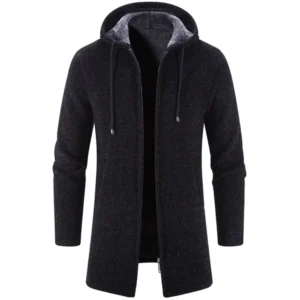
Mens Cashmere Overcoat, Mens Hooded Winter Coat, Mens Wool Blend Coat
Price range: $128.72 through $139.68 Select options This product has multiple variants. The options may be chosen on the product page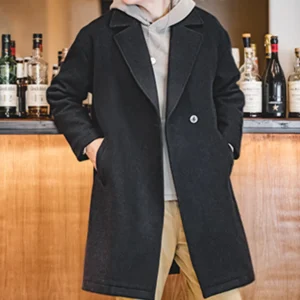
Mens Black Overcoat, Mens Black Wool Coat, Mens Wool Overcoat
$339.18 Select options This product has multiple variants. The options may be chosen on the product page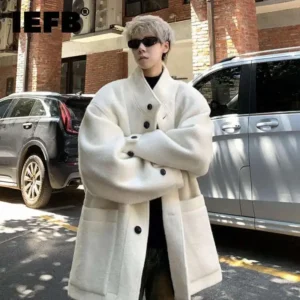
Mens Grey Overcoat, Mens Wool Blend Coat, Mens Wool Overcoat
$201.28 Select options This product has multiple variants. The options may be chosen on the product page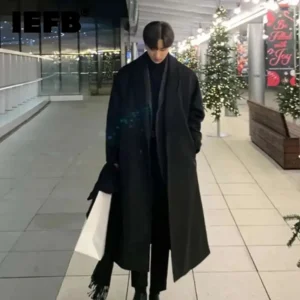
Mens Herringbone Coat, Mens Long Overcoat, Mens Wool Overcoat
Price range: $197.16 through $203.69 Select options This product has multiple variants. The options may be chosen on the product page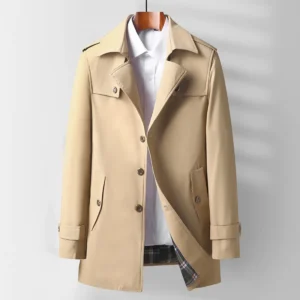
Mens Long Overcoat, Mens Topcoats
Price range: $189.40 through $196.88 Select options This product has multiple variants. The options may be chosen on the product page
Our men’s overcoats collection features options suitable for various seasonal needs. When considering different seasons, the guidance on choosing the right coat length can help ensure your topcoat remains appropriate year-round.
Remember that layering strategy is your most powerful tool for seasonal adaptation—the same lightweight topcoat can serve you across three seasons with thoughtful adjustments to underlying layers and accessories.
Care & Maintenance: Protecting Your Investment
A quality lightweight topcoat represents a significant investment that can provide years of service when properly maintained. Following these care guidelines will maximize the lifespan and appearance of your coat.
Cleaning Procedures
Different fabrics require specific cleaning approaches:
Regular Maintenance
– Brush your topcoat after each wearing with a soft clothes brush to remove surface dirt and debris
– Spot clean small stains immediately using appropriate cleaners for the specific fabric
– Allow your coat to air out for 24 hours after wearing before storing
Professional Cleaning
– Wool and cashmere topcoats: Dry clean only, typically once per season
– Cotton and synthetic blends: Follow garment care labels, some may be machine washable
– Lined coats: Almost always require professional cleaning regardless of shell fabric
Premium wool overcoats particularly benefit from professional cleaning services that understand proper handling of natural fibers.
Storage Solutions
Proper storage prevents damage and maintains your topcoat’s shape:
During the Season
– Use wide, contoured wooden or plastic hangers that support the shoulders
– Allow space between coats in your closet for air circulation
– Button the top button only when hanging to maintain shape
Off-Season Storage
– Clean thoroughly before storing for extended periods
– Use breathable garment bags rather than plastic
– Store in a cool, dry place away from direct sunlight
– Place cedar blocks nearby (not touching) to deter moths
– Never compress lightweight coats in vacuum bags, which can damage the structure
Travel Techniques
Maintaining your topcoat’s appearance while traveling:
Packing Methods
– When possible, use a garment bag and hang rather than folding
– If folding is necessary, turn inside out and fold once horizontally at the waist
– Place tissue paper at the fold to prevent sharp creases
– Unpack immediately upon arrival and hang to release wrinkles
Quick Refreshing
– Hang your coat in a steamy bathroom to release minor wrinkles
– Use a clothing steamer on low setting, maintaining distance from fabric
– Allow adequate drying time before wearing after steaming
With proper care, a quality lightweight topcoat can remain a cornerstone of your wardrobe for many years, making it one of the wisest wardrobe investments you can make.
FAQ: Common Lightweight Topcoat Questions
How much should I expect to spend on a quality lightweight topcoat?
Quality lightweight topcoats typically range from $150 to $800+, with the sweet spot for excellent value often between $250-450. At lower price points, expect synthetic blends with less refined construction. Mid-range options offer wool blends with good construction, while premium options provide superior materials like cashmere blends and hand-finished details. Consider your budget in terms of cost-per-wear—a versatile topcoat worn regularly for years offers excellent value even at higher price points.
Can lightweight topcoats be worn in rain or snow?
Most lightweight topcoats offer moderate protection from light rain, particularly wool options which naturally repel small amounts of moisture. However, they aren’t designed as raincoats. For wool and cashmere blends, consider applying a fabric protector spray designed for fine fabrics. Technical fabric blends offer better weather protection. Always allow your coat to dry naturally away from direct heat if it gets wet, and never store a damp topcoat.
How do I determine the right length for my height?
For shorter men (under 5‘9”/175cm), the best coat length for short men typically falls at the upper thigh to create balanced proportions. Average height men (5‘9”-6‘2”/175-188cm) generally look best in mid-thigh length coats. Taller men can wear longer styles extending to just above the knee. The key is maintaining proportional balance—the coat shouldn’t cut your height at an awkward point that makes your legs appear disproportionately short.
What’s the difference between a topcoat and an overcoat?
The primary difference is weight and thickness. Topcoats are lighter (typically under 3 pounds/1.4 kg) and made from fabrics weighing 200-340g per meter. Overcoats are heavier, warmer options weighing 3-6 pounds (1.4-2.7 kg) with fabrics often exceeding 400g per meter. Additionally, topcoats typically have simpler construction with less padding and lining, making them more suitable for mild to moderate conditions rather than severe winter weather.
How do I pack a lightweight topcoat for travel?
If possible, use a garment bag and carry it separately. When packing in luggage, turn the coat inside out, fold sleeves back, then fold once at the waist with tissue paper at the fold point. Place at the top of your suitcase. Upon arrival, immediately hang the coat in the bathroom while showering—the steam will help release wrinkles naturally.
Conclusion: Embracing Versatility and Defining Your Style
The lightweight topcoat stands as one of menswear’s most versatile investments, bridging the gap between function and style across seasons and occasions. Its ability to elevate casual outfits, complement business attire, and even enhance formal wear makes it uniquely valuable in a well-considered wardrobe.
Throughout this guide, we’ve explored how proper fit creates the foundation for successful topcoat styling, while fabric selection determines its performance across different conditions. From casual weekend outings to formal evening events, the lightweight topcoat adapts to your needs while maintaining a sophisticated silhouette.
The principles we’ve discussed—thoughtful layering, seasonal adaptation, and careful accessorizing—allow you to maximize your topcoat’s versatility while expressing your personal style. By following the maintenance guidelines, your investment will continue to serve you well for years to come.
Remember that while guidelines provide a helpful framework, personal expression remains important. As you become comfortable with these fundamentals, don’t hesitate to develop your own signature style through thoughtful experimentation.
A well-chosen lightweight topcoat does more than just keep you comfortable—it becomes a defining element of your personal style, ready to elevate any outfit with effortless sophistication.