
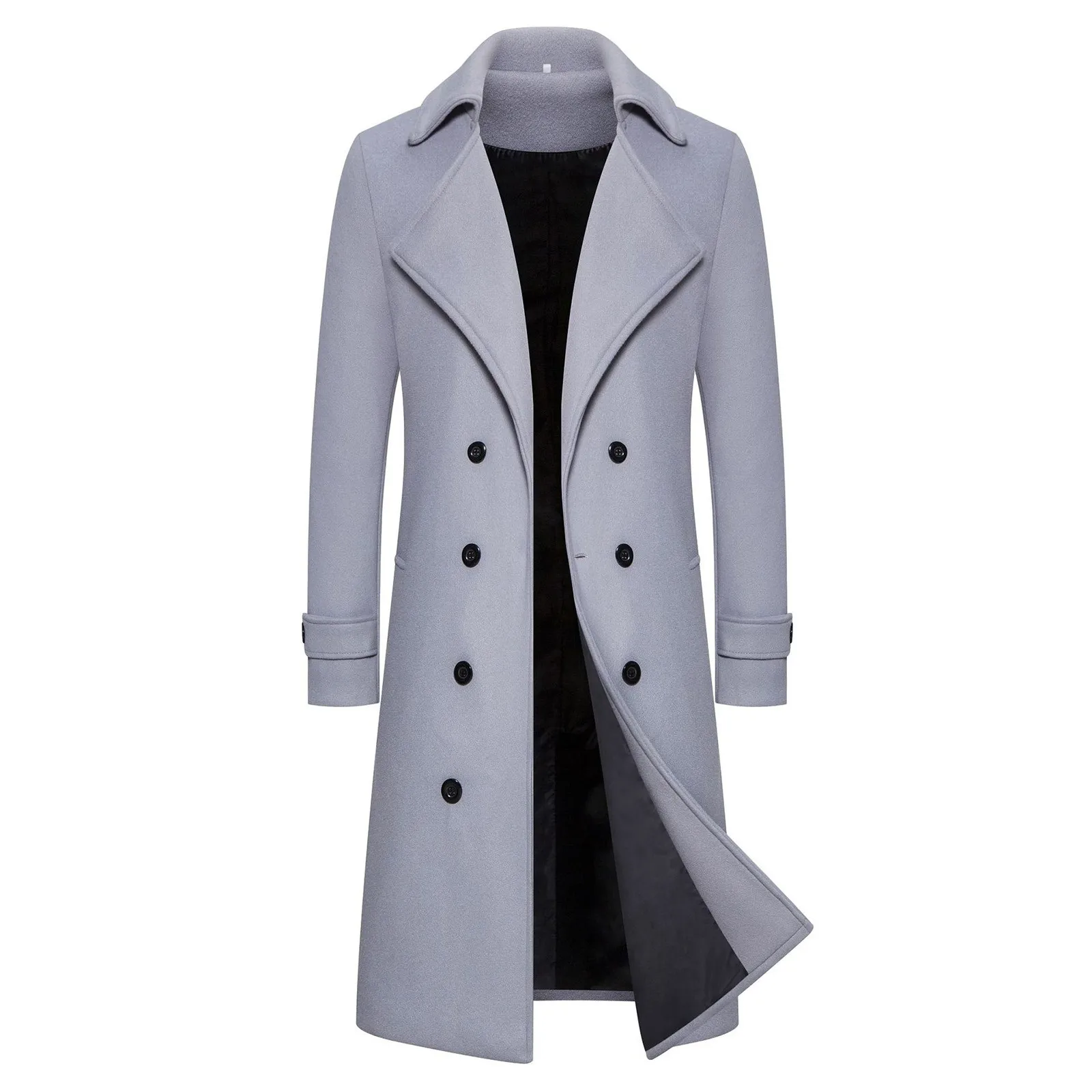
Understanding Grey Coats: A Timeless Wardrobe Investment
The grey coat stands as one of menswear’s most enduring classics. Not simply a seasonal trend, it represents a thoughtful investment in your wardrobe that transcends passing fashions. Grey coats have maintained their popularity for generations because they strike that perfect balance between statement and subtlety, commanding attention without overwhelming your overall look.
For many men, the decision to purchase a quality grey coat marks a step toward building a mature, versatile wardrobe. However, once that decision is made, a common dilemma emerges: should you choose charcoal grey or light grey? This seemingly simple color choice can significantly impact how your coat integrates with your existing wardrobe and projects your personal style.
This article aims to provide comprehensive guidance on navigating this choice. We’ll explore how each shade performs in different contexts, which complements various skin tones, and how they pair with other wardrobe staples. Understanding the choosing right coat length is equally important, as proportions work together with color to create your overall silhouette.
Key Points:
– Grey coats are timeless investments that remain stylish year after year
– The choice between charcoal and light grey impacts versatility and styling options
– A quality grey coat offers exceptional wardrobe value through its adaptability
– Proper selection should consider your personal style, existing wardrobe, and practical needs
Defining the Grey Spectrum: From Charcoal to Light Grey
The grey spectrum in menswear encompasses a wide range of tones, each with distinct characteristics and styling implications. At one end of this spectrum lies charcoal grey—a deep, rich shade that borders on black but maintains the softness and complexity that distinguishes it from true black. Charcoal grey typically contains blue or purple undertones, giving it a cool, sophisticated depth that exudes authority and elegance.
At the other end is light grey, characterized by its bright, airy appearance. Light grey possesses a softer presence with warmer undertones that create a more approachable, contemporary feel. This shade reflects more light, making it more noticeable and distinct in most settings.
The visual impact of these different tones cannot be overstated. Charcoal grey projects gravitas and timeless sophistication, while light grey communicates modernity and versatility. These psychological impressions influence not only how others perceive you but how confidently you wear the garment.
Fabric texture plays a crucial role in how these greys are perceived. A brushed wool in charcoal can appear softer and less severe, while a smooth worsted wool in light grey often looks more crisp and defined. When browsing through various mens overcoats, pay attention to how different textures affect the appearance of grey tones.
The Charcoal Grey Coat: Characteristics and Styling
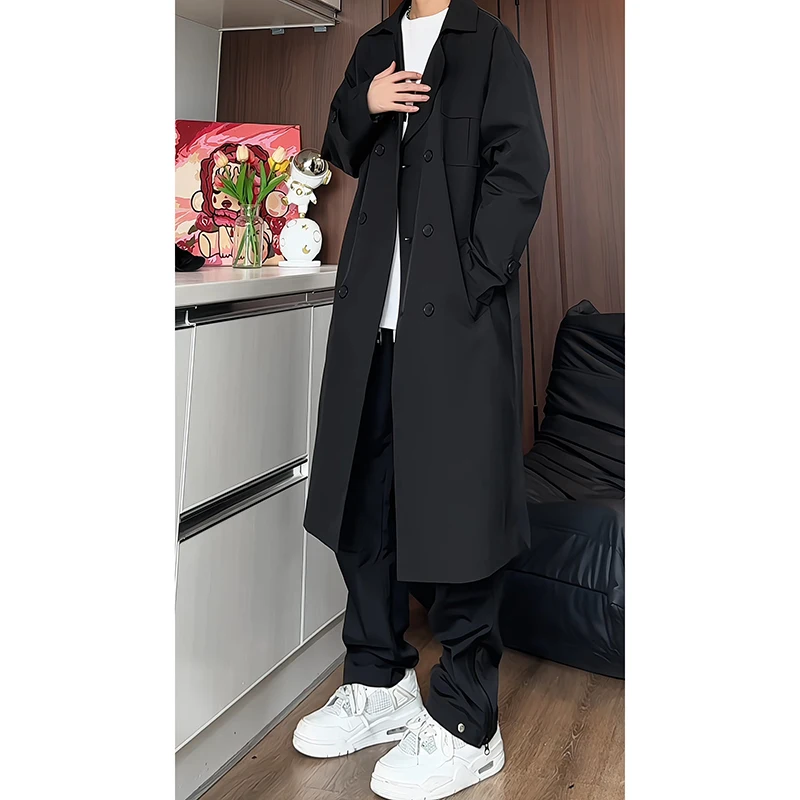
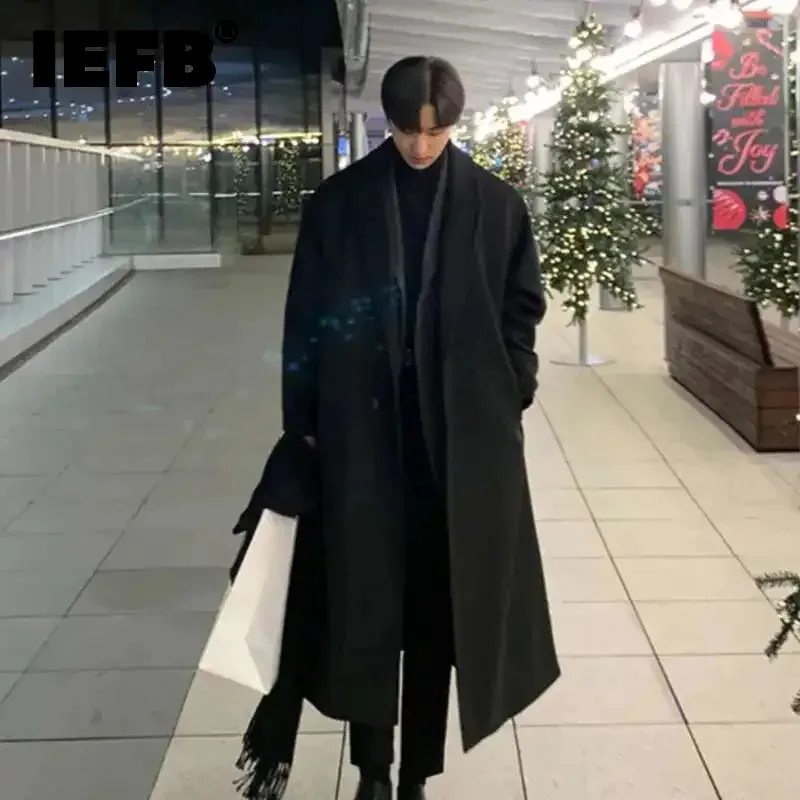
A charcoal grey coat stands as perhaps the most versatile outerwear piece a man can own. Its near-black depth carries an inherent formality that makes it appropriate for professional environments while remaining adaptable enough for less formal settings. This versatility stems from charcoal’s position as a neutral anchor that allows other elements of your outfit to either elevate or relax the overall look.
One of charcoal grey’s greatest strengths lies in its practical advantages. The darker tone naturally conceals dirt, stains, and general wear, making it lower maintenance than lighter alternatives. For men who commute in urban environments or travel frequently, this practical benefit cannot be overstated.
The sophistication projected by a charcoal coat is subtle yet undeniable. It communicates authority without ostentation, creating a distinguished presence that works particularly well in professional and formal contexts. This shade pairs naturally with business attire but can be equally effective when styled more casually.
Styling Recommendations for Charcoal Grey Coats:
- Shirts: White, light blue, and pale pink dress shirts create classic pairings, while chambray and white Oxford cloth button-downs offer more casual alternatives.
- Trousers: Navy, mid-grey, and black dress pants work seamlessly for formal looks; dark denim and khaki chinos transition effectively to smart-casual settings.
- Shoes: Black Oxford shoes for maximum formality; brown or burgundy brogues for versatility; leather boots or clean sneakers for casual styling.
- Accessories: Silver-toned watches and jewelry complement the cool undertones; burgundy, navy, or forest green scarves add complementary color depth.
The mens wool overcoat in charcoal grey particularly excels during autumn and winter months, where its darker tone harmonizes with the season’s muted palette. Finding the perfect coat length for height ensures your charcoal coat creates the most flattering silhouette, enhancing its sophisticated appearance.
The Light Grey Coat: Characteristics and Styling
The light grey coat offers a refreshingly modern alternative to darker outerwear options. With its brighter presence, it occupies a unique position on the formality spectrum—slightly less formal than charcoal grey but more refined than casual outerwear. This middle ground makes it exceptionally versatile for contemporary wardrobes that blur the lines between formal and casual dressing.
Light grey’s most striking quality is its visual freshness. It creates a clean, crisp silhouette that stands out distinctly against urban backdrops and complements the lighter color palettes often associated with spring and summer fashion. Even in winter, it provides a welcome brightness against typically somber seasonal wardrobes.
The practical considerations of a light grey coat differ significantly from its darker counterparts. The lighter shade will show dirt, stains, and wear more readily, requiring more frequent cleaning and careful maintenance. This makes light grey coats potentially more suitable for those who don’t face daily commutes in high-traffic urban environments.
Styling Recommendations for Light Grey Coats:
- Shirts: Navy, burgundy, and forest green create rich contrasts; white and light blue provide clean, classic pairings.
- Trousers: Navy and black create strong foundations; burgundy or forest green add sophisticated color; dark denim offers casual versatility.
- Shoes: Brown and tan leather shoes create harmonious warmth; black shoes provide stark contrast; white sneakers pair well for casual modern looks.
- Accessories: Gold-toned watches and accessories complement the warmer undertones; scarves in bolder colors can make stronger statements.
While charcoal dominates formal settings, light grey excels when you want to make a more distinct style statement. It pairs particularly well with how style double breasted coat approaches, creating a bold yet refined silhouette. For those looking to expand their outerwear options, comparing light grey with mens black overcoat choices helps understand how these different neutrals function in a complete wardrobe.
Head-to-Head Comparison: Charcoal Grey vs. Light Grey Coats
When directly comparing these two classic coat colors, several key dimensions help clarify their respective strengths and ideal use cases:
| Feature | Charcoal Grey | Light Grey |
|---|---|---|
| Formality | Higher (business, formal events) | Medium (business-casual, smart-casual) |
| Versatility | Extremely versatile across contexts | Versatile with casual to smart-casual |
| Seasonality | Fall/Winter optimal, year-round possible | Spring/Fall optimal, stands out in winter |
| Maintenance | More forgiving of stains/dirt | Shows wear more readily, requires more care |
| Color Pairing | Pairs with most colors, especially jewel tones | Excels with navy, burgundy, and earth tones |
| Silhouette Impact | Slimming, understated | More noticeable, creates visual presence |
Charcoal grey excels when you need maximum versatility with minimal maintenance. Its ability to transition seamlessly from business meetings to evening events makes it the ultimate “do-everything” coat. The darker tone naturally creates a slimming effect that many men find appealing, and it requires less frequent cleaning than lighter alternatives.
Light grey, by contrast, makes a more distinct visual statement. It draws more attention to your outerwear choice and creates a fresher, more contemporary impression. While slightly less formal than charcoal, it offers greater versatility in casual contexts and creates more interesting contrasts with dark trousers and jeans.
Understanding short vs long coats guide principles can further enhance how these different grey tones work with your body type and overall style approach. The length dramatically affects how the color is perceived in proportion to your overall silhouette.
Finding Your Perfect Match: Decision Factors
To determine which grey shade best suits your needs, consider these key factors:
Existing Wardrobe Compatibility: Assess your current clothing collection. If you wear primarily dark suits, formal wear, or business attire, a charcoal coat will integrate seamlessly. If your wardrobe features more casual pieces, denim, and lighter colors, a light grey coat may offer more interesting pairings.
Primary Use Cases: Consider where you’ll wear your coat most often. For primarily professional environments, charcoal grey provides appropriate formality. For weekend wear or creative professional settings, light grey offers refreshing versatility.
Personal Style Direction: Are you more traditional or contemporary in your fashion choices? Charcoal grey aligns with classic, timeless dressing, while light grey leans toward modern, fashion-forward styling.
Seasonal Considerations: While both shades work year-round, charcoal particularly excels in fall and winter, while light grey shines in spring and fall settings. Your local climate may influence which provides more versatility.
Skin Tone and Features: Generally, higher contrast between your coat and complexion creates a more striking look. Those with darker skin often find light grey creates appealing contrast, while those with fair skin may find charcoal creates more definition.
Ask yourself: “What gap am I filling in my wardrobe?” If you already own a quality dark coat (navy or black), a light grey offers welcome variety. If this is your first quality coat investment, charcoal’s versatility may serve you better.
For those interested in casual styling approaches, exploring mastering casual grey overcoats can provide additional inspiration for maximizing your grey coat’s versatility.
Beyond Color: Quality Considerations for Your Grey Coat
While color is important, the quality fundamentals of your grey coat will ultimately determine its long-term value and satisfaction:
Fabric Selection: The material forms the foundation of a quality coat. Pure wool offers excellent insulation with natural breathability. Look for designations like “100% wool” with higher thread counts for superior drape and durability. Cashmere blends provide luxurious softness but require more careful maintenance. Technical fabric blends can add weather resistance but may sacrifice some traditional elegance.
Construction Details: Quality indicators include hand-stitched lapels, properly finished seams, and pattern matching across seams. Canvassed construction (either full or half) provides superior draping compared to fused alternatives. Horn buttons signal premium quality, while internal structure should feel substantial without excessive weight.
Fit Fundamentals: Regardless of color, proper fit remains paramount. Shoulders should align with your natural shoulder edge, sleeves should end at your wrist bone, and length should be proportionate to your height. Too short appears trendy but sacrifices function; too long can overwhelm smaller frames.
Investment Perspective: A quality grey coat represents genuine value when assessed on a cost-per-wear basis. Given their versatility and longevity, premium coats often cost less per use than cheaper alternatives that require frequent replacement. Metro Cloak’s approach focuses on creating investment pieces that maintain their appearance and function for many years.
The mens wool blend coat options offer an excellent balance of quality and value, providing the luxurious appearance of wool with added durability from technical fiber integration.

Mens Double Breasted Pea Coat, Mens Wool Blend Coat, Mens Wool Pea Coat
Price range: $136.84 through $157.36 Select options This product has multiple variants. The options may be chosen on the product page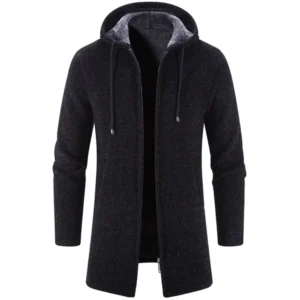
Mens Cashmere Overcoat, Mens Hooded Winter Coat, Mens Wool Blend Coat
Price range: $128.72 through $139.68 Select options This product has multiple variants. The options may be chosen on the product page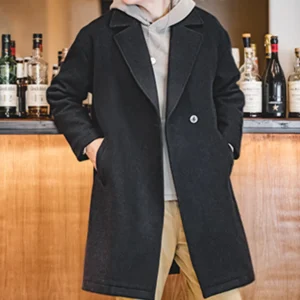
Mens Black Overcoat, Mens Black Wool Coat, Mens Wool Overcoat
$339.18 Select options This product has multiple variants. The options may be chosen on the product page
Mens Grey Overcoat, Mens Wool Blend Coat, Mens Wool Overcoat
$201.28 Select options This product has multiple variants. The options may be chosen on the product page
Mens Herringbone Coat, Mens Long Overcoat, Mens Wool Overcoat
Price range: $197.16 through $203.69 Select options This product has multiple variants. The options may be chosen on the product page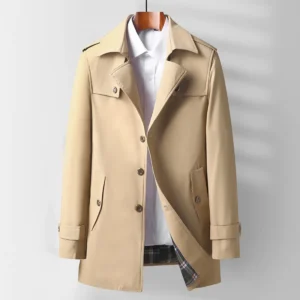
Mens Long Overcoat, Mens Topcoats
Price range: $189.40 through $196.88 Select options This product has multiple variants. The options may be chosen on the product page
Expert Styling Techniques for Grey Coats
Mastering the styling potential of your grey coat elevates it from a mere functional garment to a cornerstone of your personal style expression:
Advanced Layering Techniques:
* Create depth by combining different textures under your coat (knitted sweaters, woven shirts, etc.)
* Experiment with contrasting collar styles that peek above your coat lapels
* Use varying lengths in your layers to create visual interest below the coat hem
Texture and Pattern Integration:
* Pair smooth grey coats with textured trousers or knitwear for dimension
* Introduce subtle patterns like herringbone or houndstooth for sophistication
* Use textured scarves against smooth coat fabrics for tactile contrast
Accessorizing Strategies:
* Choose metallic accessories that complement your coat’s undertones (silver for charcoal, gold for light grey)
* Select leather accessories (gloves, bags) in complementary tones (black with charcoal, brown with light grey)
* Use pocket squares as color accent points against the neutral grey backdrop
Dressing Up and Down:
* Transform a formal grey coat into casual wear by pairing with denim and boots
* Elevate casual outfits by adding a structured grey coat over relaxed basics
* Use color contrasts to signal intended formality level (higher contrast for formal, tonal for casual)
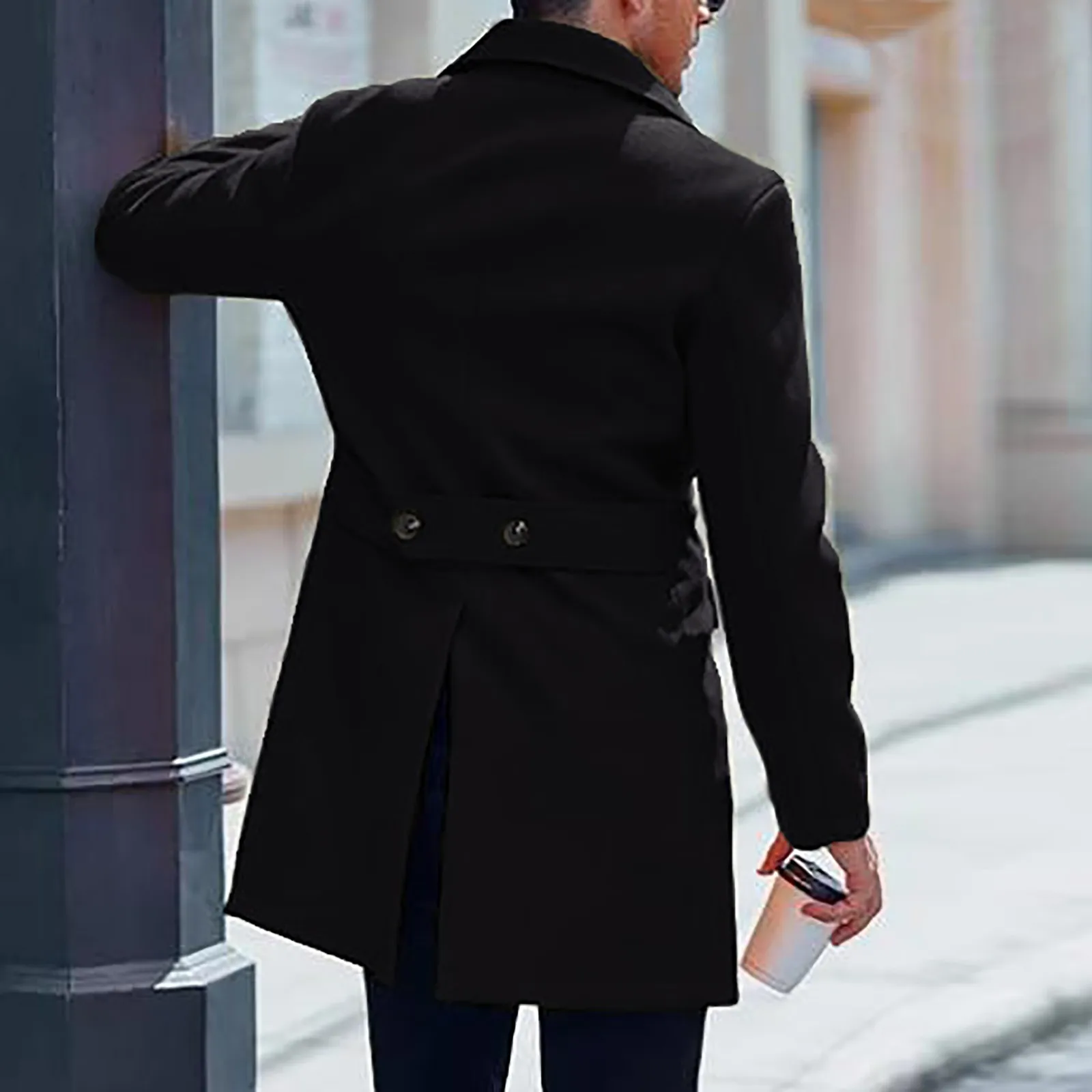
Situational Guidance: When to Choose Each Coat
Understanding when each shade performs best helps maximize your investment:
Professional Environments:
* Charcoal Grey: Ideal for conservative business settings, client meetings, and formal workplace environments
* Light Grey: Excellent for creative industries, business-casual offices, and less traditional professional settings
Social Occasions:
* Charcoal Grey: Perfect for evening events, formal dinners, theater attendance, and winter weddings
* Light Grey: Shines at daytime events, smart-casual gatherings, brunches, and spring/summer celebrations
Travel Considerations:
* Charcoal Grey: Better for business travel, urban destinations, and trips where minimal maintenance is preferred
* Light Grey: Great for leisure travel, milder climates, and shorter trips where cleaning isn’t a concern
Seasonal Appropriateness:
* Charcoal Grey: Year-round versatility with particular strength in fall/winter
* Light Grey: Strongest in spring/fall, can provide refreshing contrast in winter
Finding the best coat length every body type ensures your chosen grey shade is presented in its most flattering proportions, enhancing the overall impression of your coat regardless of color.
Frequently Asked Questions About Grey Coats
Can light grey coats work for formal events?
While traditionally less formal than charcoal, a well-tailored light grey coat in premium wool can certainly work for most formal occasions, especially daytime events. The key lies in the quality of construction and how you style it.
Is charcoal grey too severe for casual wear?
Not at all. Charcoal’s versatility extends to casual settings when paired appropriately. Combine with denim, casual footwear, and less structured layers underneath to relax its formal tendencies.
How do I prevent light grey coats from showing dirt?
Regular maintenance is essential. Brush your coat after each wear, use quality hangers, and apply stain-repellent treatments designed for wool. Address spots immediately rather than allowing them to set.
Which grey shade works better for travel?
Charcoal typically performs better for travel due to its dirt-concealing properties and versatility across different settings. However, if your travel involves primarily casual activities in clean environments, light grey remains a stylish option.
How should I store my grey coat during off-seasons?
Clean before storage, use wooden hangers in breathable garment bags, and include cedar blocks to deter moths. Avoid plastic covers which can trap moisture and damage natural fibers over time.
Making Your Decision: The Final Verdict
Both charcoal grey and light grey coats offer tremendous versatility and style potential, but they serve slightly different roles in a well-rounded wardrobe.
Choose charcoal grey if you:
– Need maximum versatility across formal and casual settings
– Value low-maintenance practical benefits
– Prefer classic, timeless style approaches
– Frequently attend business or formal functions
– Want a slimming, understated silhouette
Opt for light grey if you:
– Already own darker outerwear options
– Prefer making more distinct style statements
– Dress primarily in smart-casual or casual contexts
– Have a wardrobe featuring navy, burgundy, and earth tones
– Want a coat that stands out in winter settings
Ultimately, the “right” choice depends entirely on your personal style journey, existing wardrobe, and lifestyle needs. Many style enthusiasts eventually acquire both shades, allowing them to select the perfect grey based on the specific occasion and desired impression.
Regardless of which shade you select, prioritize quality construction, proper fit, and premium materials. A well-made grey coat in either shade will provide years of service and style, making it one of the most valuable investments in your wardrobe arsenal.