
Understanding the Science of Warmth in Winter Coats
When temperatures drop, the difference between discomfort and comfort often comes down to the engineering principles behind your winter coat. At its core, an effective winter coat works by managing three fundamental heat transfer mechanisms: conduction (direct heat transfer through materials), convection (heat loss through moving air), and radiation (heat emitted from your body).
The most effective winter coats create what designers call a “microclimate” – a layer of regulated warmth between your body and the external environment. This isn’t simply about adding bulk; it’s about strategic design that works with your body’s natural heating system.
What makes a truly warm coat involves:
- Trapping air in specific patterns to create insulative barriers
- Blocking wind that would otherwise strip away body heat
- Managing moisture that could compromise insulation performance
- Creating sealed systems that prevent warmth from escaping
Understanding these fundamental coat design principles helps explain why some lightweight coats can outperform bulkier options. The effectiveness of a coat’s warmth is measured in CLO units, with higher values indicating better insulation properties. A well-engineered winter coat creates an integrated thermal system where each component – from the outer shell to the inner lining – works together to maintain your body’s ideal temperature regardless of external conditions.
Down Insulation: Nature’s Premium Warmth Technology
Down insulation represents the gold standard in natural insulation technology. Unlike synthetic alternatives, down creates a three-dimensional structure of tiny air pockets formed by the fluffy clusters from the undercoating of geese and ducks. This unique structure traps extraordinary amounts of air relative to its weight.
The quality of down is measured by fill power – a number ranging from 400 to 900+ that indicates how many cubic inches one ounce of down will fill under standardized testing conditions. Higher fill power means greater loft, better insulation efficiency, and superior warmth-to-weight ratios.
| Fill Power | Warmth-to-Weight Ratio | Typical Applications | Price Point |
|---|---|---|---|
| 550-650 | Good | Casual urban wear | Moderate |
| 700-800 | Excellent | Performance outdoor | High |
| 850-900+ | Exceptional | Expedition/extreme cold | Premium |
Beyond fill power, total fill weight determines overall warmth. A coat with 3 ounces of 800-fill down may be less warm than one with 6 ounces of 650-fill down, despite the higher quality of the former.
Modern premium down coats often feature hydrophobic treatments – specialized polymer applications that help down maintain its loft and insulative properties even when damp. These treatments can retain up to 70% of insulation value when wet, compared to just 30% for untreated down.
Down insulation performs best in dry, cold conditions where its exceptional natural insulation properties can be fully utilized. The highest-quality down coats maintain consistent loft distribution, preventing cold spots that would otherwise compromise the thermal barrier.
Synthetic Insulation: Engineered for Performance
While down excels in dry conditions, synthetic insulation technologies have revolutionized cold-weather performance in challenging environments. These engineered fibers come in two primary forms: short-staple (small fibers similar to down clusters) and continuous filament (longer, stronger fibers that resist compression).
Modern synthetic insulations offer distinct advantages in specific conditions:
- Superior performance when wet, retaining up to 90% of insulative value
- Faster drying times – typically 60% faster than treated down
- Enhanced durability under repeated compression/expansion cycles
- Hypoallergenic properties for sensitive users
- Consistent insulation even when compressed against the body
Leading synthetic technologies include specialized polyester structures that mimic down’s three-dimensional clustering while adding moisture-wicking capabilities. These advanced materials can achieve warmth-to-weight ratios approaching 85-90% of premium down while significantly outperforming in humid or wet environments.
The durability metrics are equally impressive – quality synthetic insulations maintain approximately 95% of their original loft after 100 compression cycles, compared to 80-85% for premium down. This makes synthetic insulation particularly valuable for longer coat designs that experience more friction and pressure during regular wear.
The true advantage of synthetic insulation emerges in active use cases or unpredictable weather conditions where moisture management becomes critical to maintaining consistent warmth.
Hybrid and Specialized Insulation Systems
The most innovative coat designs now utilize hybrid insulation systems that strategically place different insulation types according to the body’s natural heating and moisture patterns. This technique, called body mapping, recognizes that different areas have distinct thermal needs and sweat production rates.
A typical body-mapped coat might feature:
- Down insulation in the core and upper back areas for maximum warmth where needed most
- Synthetic insulation under the arms and across the shoulders where moisture accumulates
- Thinner insulation panels at mobility points to prevent overheating during activity
- Strategic ventilation zones that release excess heat without compromising the thermal barrier
These sophisticated hybrid insulation coat options outperform single-material designs by adapting to both the body’s needs and changing external conditions. Testing shows that properly mapped hybrid systems can improve perceived comfort by up to 30% while maintaining equivalent objective warmth measurements.
Natural wool has also found new applications in modern technical coats, often combined with synthetic materials to create unique performance characteristics. Wool’s natural temperature regulation and moisture-wicking properties complement synthetic water resistance and compression recovery, creating insulation systems that adapt to varying conditions.
Shell Fabrics: The Critical Protective Layer
Even the finest insulation becomes ineffective when compromised by wind or moisture – making the outer shell fabric a critical component of a coat’s thermal engineering. Modern shell fabrics employ sophisticated technologies to balance protection, breathability, weight, and durability.
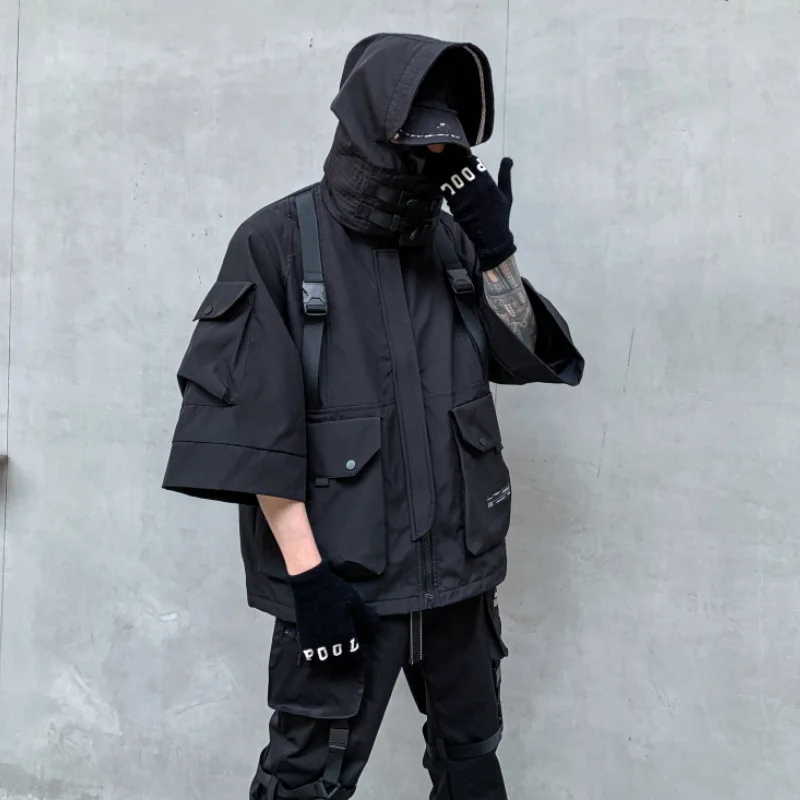
Waterproof-breathable membranes represent the pinnacle of shell technology, using microporous structures with openings too small for water droplets but large enough for water vapor molecules. These membranes are rated by their water resistance (measured in millimeters of water pressure they can withstand) and breathability (measured as Moisture Vapor Transmission Rate or MVTR).
| Shell Type | Water Resistance | Breathability | Durability | Weight |
|---|---|---|---|---|
| 2-layer membrane | 10,000-15,000mm | Moderate | Good | Lighter |
| 3-layer membrane | 20,000mm+ | High | Excellent | Moderate |
| Softshell | 5,000-10,000mm | Very High | Variable | Moderate |
| Hardshell | 25,000mm+ | Moderate | Superior | Heavier |
The fabric’s denier rating (a measure of thread thickness) directly impacts durability and weight. Higher denier fabrics (70D and above) offer superior abrasion resistance but add weight, while lighter fabrics (30D and below) enhance mobility but may sacrifice longevity.
Durable Water Repellent (DWR) treatments add another layer of protection by causing water to bead and roll off the fabric surface. However, these treatments require periodic reapplication as they wear off with use and washing.
Wind resistance is equally important for maintaining warmth. Advanced fabrics in heavy winter coats utilize tightly woven constructions or specialized membranes to block wind while allowing internal moisture to escape, preventing the dangerous cooling effect of wind penetrating the insulation.
Construction Techniques: The Architecture of Warmth
The method used to construct a winter coat determines how effectively its materials perform in real-world conditions. Different baffle designs – the chambers that hold insulation in place – dramatically impact thermal efficiency.
Sewn-through construction, where the outer and inner fabrics are stitched directly together, creates quilted patterns that are lightweight and less expensive to produce. However, these stitching lines create “cold spots” where insulation is compressed, reducing overall thermal efficiency by 15-20% compared to more advanced methods.
Box-wall baffles use internal fabric walls to create three-dimensional chambers that allow insulation to fully expand to its maximum loft. These structures eliminate cold spots but add weight and production complexity. The warmth difference is substantial – box-wall construction maintains consistent temperature across the entire garment surface.
Welded and bonded seams represent the cutting edge of coat construction, using adhesive technologies rather than stitching to join materials. These techniques eliminate the needle holes that can allow water penetration and cold air infiltration, improving weatherproofing by approximately 30% compared to standard seams.
Strategic reinforcement in high-stress areas ensures longevity while specialized stretch panels in coats of different lengths maintain thermal integrity during movement. The most sophisticated construction methods employ differential fill – varying the amount of insulation in different areas to maximize warmth where needed while reducing bulk elsewhere.
Critical Design Features That Maximize Warmth
Beyond basic materials and construction, specific design features play crucial roles in a coat’s thermal performance. These seemingly minor details often make the difference between adequate protection and exceptional warmth.
Hood design represents one of the most critical warmth factors, as up to 30% of body heat can escape through an uncovered head. The most effective hood designs for warmth retention include:
- Three-way adjustment systems that create a customized seal around the face
- Wired or structured brims that shield eyes while maintaining visibility
- Insulated baffles that extend high enough to protect the lower face
- Contoured shapes that move with the head rather than restricting vision
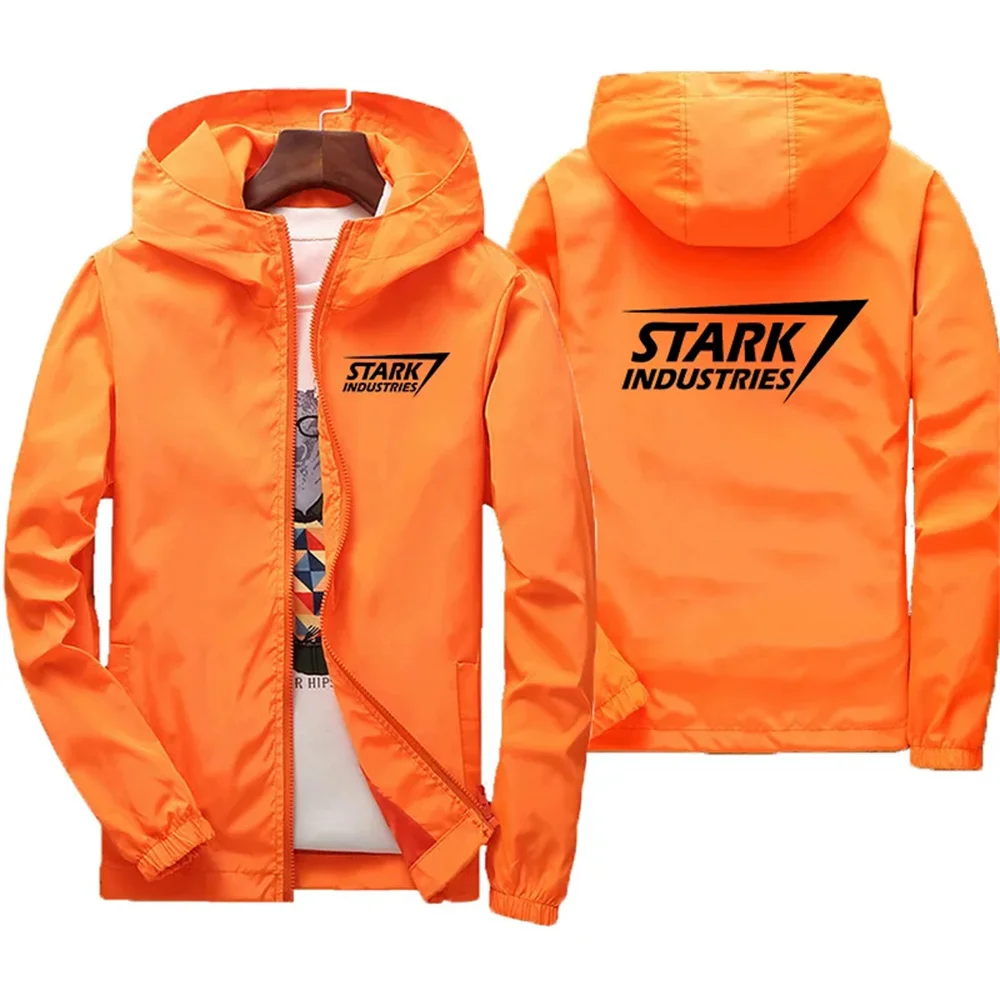
Collar and neck closure systems form a critical thermal barrier. The best designs feature:
- Overlapping insulated panels that prevent drafts
- Microfleece linings that provide comfort against sensitive facial skin
- Adjustable closures that create customized seals
- Extended heights that protect the lower face when the hood isn’t deployed
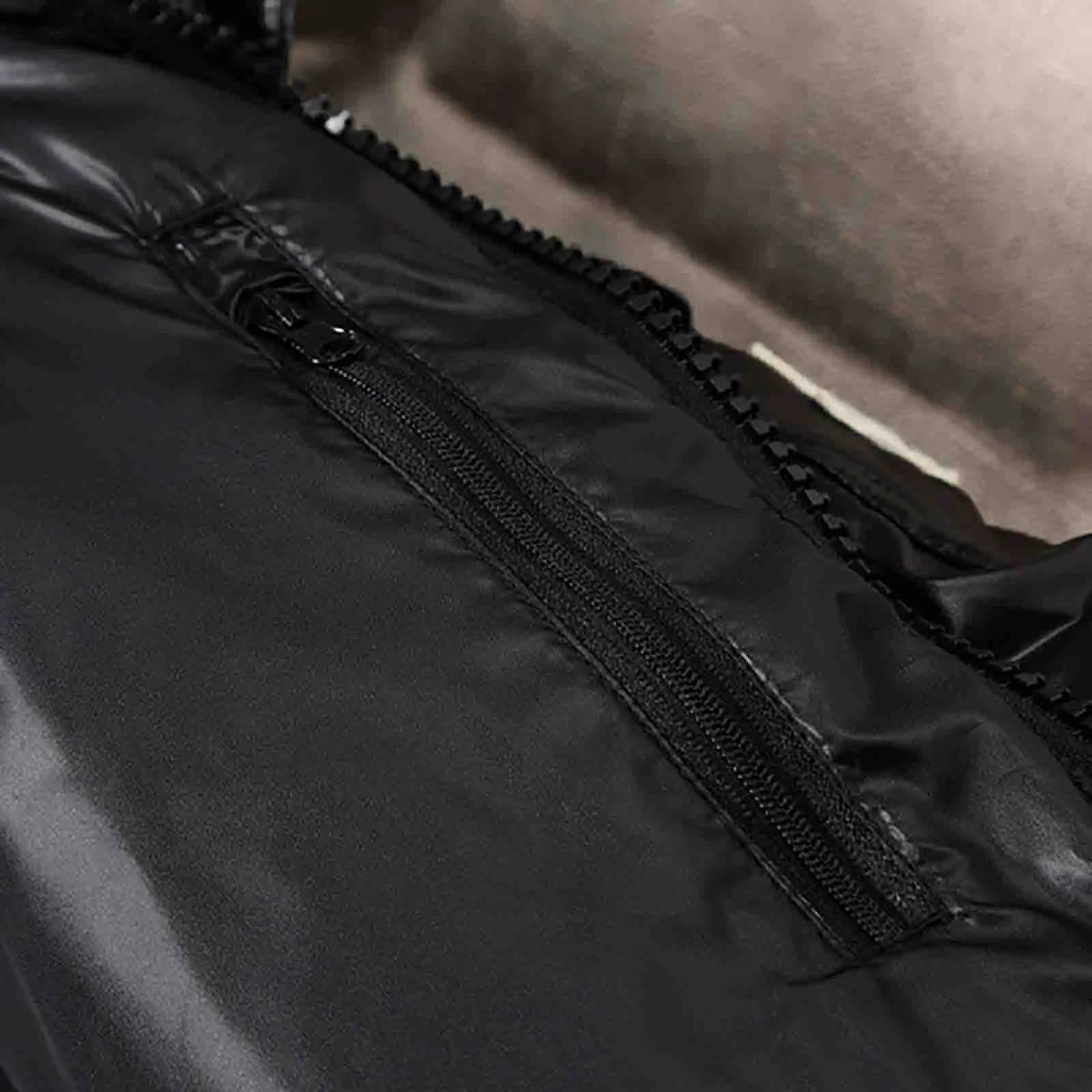
Zipper systems often create vulnerable points for cold infiltration. Premium coats address this with:
- Insulated draft tubes backing the entire zipper length
- External storm flaps with secure closures
- Two-way zippers that allow ventilation without sacrificing core warmth
- Water-resistant or rubberized coatings that prevent moisture penetration
Cuff and hem sealing systems complete the thermal envelope by preventing convective heat loss at extremities. The most effective designs use elastic, adjustable, or sealed systems that block wind without restricting circulation.

Mens Heavy Winter Coat, Mens Insulated Coat, Mens Parka Coat
Price range: $175.52 through $237.36 Select options This product has multiple variants. The options may be chosen on the product page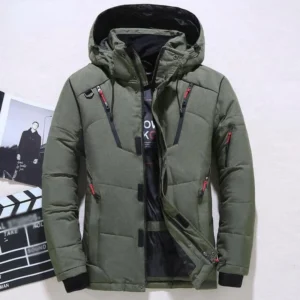
Mens Big and Tall Winter Coats, Mens Down Coat, Mens Hooded Winter Coat, Mens Puffer Coat
Price range: $126.44 through $217.01 Select options This product has multiple variants. The options may be chosen on the product page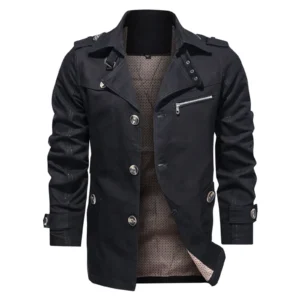
Mens Big and Tall Winter Coats, Mens Hooded Winter Coat
Price range: $80.32 through $106.68 Select options This product has multiple variants. The options may be chosen on the product page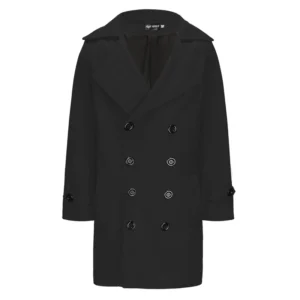
Mens Double Breasted Pea Coat, Mens Wool Blend Coat, Mens Wool Pea Coat
Price range: $136.84 through $157.36 Select options This product has multiple variants. The options may be chosen on the product page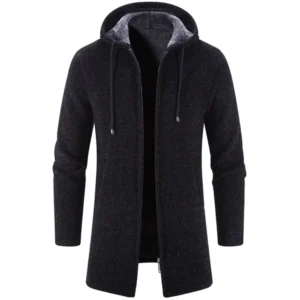
Mens Cashmere Overcoat, Mens Hooded Winter Coat, Mens Wool Blend Coat
Price range: $128.72 through $139.68 Select options This product has multiple variants. The options may be chosen on the product page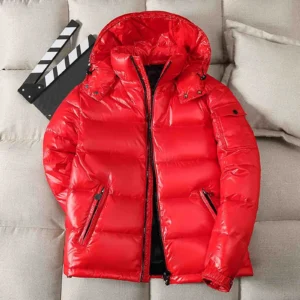
Mens Hooded Winter Coat, Mens Insulated Coat, Mens Puffer Coat, Mens Quilted Coat
Price range: $139.88 through $177.72 Select options This product has multiple variants. The options may be chosen on the product page
The fit of a coat significantly impacts its thermal efficiency. Too tight, and insulation gets compressed, losing loft and warmth. Too loose, and excess air circulation can create cooling currents. The most effective designs balance freedom of movement with thermal efficiency through articulated sleeves, contoured seaming, and strategic stretch panels.
Evaluating Coat Warmth: A Technical Framework
With so many technical elements contributing to a coat’s warmth, evaluating performance requires a systematic approach based on objective criteria rather than marketing claims.
When assessing insulation quality, look for:
* Verified fill power ratings from recognized testing authorities
* Fill weight specifications (not just percentage of materials)
* Distribution methods that prevent insulation migration
* Strategic placement appropriate to intended activities
For construction evaluation, examine:
* Baffle design and dimensions appropriate for the insulation type
* Seam sealing techniques, particularly at critical junctions
* Reinforcement in high-stress areas
* Consistent loft across all insulated areas
The warmth-to-weight ratio provides perhaps the most useful metric for comparing different puffer coat designs. This calculation considers both the objective warmth rating and the coat’s physical weight – lighter coats that provide equivalent warmth represent superior engineering and material quality.
Activity-specific considerations should also factor into evaluation:
* Static activities (spectating, urban use) benefit from maximum insulation
* Dynamic activities require enhanced breathability and moisture management
* Transition activities need adaptable features like ventilation zippers and adjustable closures
Matching Coat Design to Environment and Activity
The ideal coat design varies significantly based on environment and intended use. Understanding these relationships helps identify the most effective options for specific needs.
For extreme cold environments (-20°F/-29°C and below), look for:
* Box-wall construction with 700+ fill power down or premium synthetic equivalents
* Minimum 5oz/yd² insulation density in the torso
* Full seam sealing with reinforced weatherproofing
* Extended coverage including drop-tail hems and full hood systems
Urban environments with variable conditions benefit from specialized down coat options featuring:
* Hybrid insulation systems that manage both cold and periodic moisture
* Sophisticated shell fabrics that balance protection with breathability
* Adaptable features allowing adjustment to changing conditions
* Streamlined designs that don’t sacrifice thermal efficiency for aesthetics
Active pursuits require designs focused on:
* Strategic ventilation systems to release excess heat
* Moisture-wicking inner layers that move sweat away from insulation
* Articulated construction that maintains insulation loft during movement
* Layering compatibility that allows adaptation to changing exertion levels
Innovations in Warm Coat Design
The pursuit of more effective thermal regulation continues to drive innovation in coat design. Emerging technologies are establishing new benchmarks for warmth, sustainability, and adaptability.
Advanced reflective technologies now complement traditional insulation by returning radiant body heat to the wearer. These aluminum-based microfilaments or printed patterns can boost thermal efficiency by 15-20% without adding bulk or weight.
Sustainable insulation alternatives derived from recycled plastics, plant-based polymers, and reclaimed natural materials now approach the performance of premium traditional materials while reducing environmental impact. These innovations are particularly relevant for the perfect winter coat length and design considerations.
Smart heating technologies integrated into premium coats represent perhaps the most revolutionary development. These systems use lightweight, flexible heating elements powered by rechargeable batteries to provide supplemental warmth in critical areas. Advanced versions include temperature sensors and automatic regulation to maintain optimal comfort.
Phase-change materials that absorb, store, and release heat as needed represent another frontier in adaptive insulation, potentially eliminating the need to add or remove layers as conditions change.
Common Questions About Coat Warmth Design
Is higher fill power always better for every situation?
Not necessarily. While higher fill power down offers superior warmth-to-weight ratios, it’s often more delicate and expensive. For everyday urban use, moderate fill power (650-700) often provides better durability and value while delivering sufficient warmth.
What exactly do temperature ratings on coats mean?
Temperature ratings are manufacturer estimates based on testing under specific conditions. They typically assume a base layer is worn underneath and moderate activity levels. These ratings serve as general guidelines rather than guarantees, as individual metabolism and comfort preferences vary significantly.
How do different waterproof ratings compare in real-world conditions?
A 10,000mm waterproof rating resists light to moderate rain for limited periods. A 20,000mm rating handles sustained heavy precipitation. For extreme conditions, 30,000mm+ ratings offer the highest protection. However, real-world performance also depends on seam sealing, DWR treatment quality, and exposure duration.
Which construction methods are most durable for daily use?
For daily urban wear, wool coats with specific warmth ratings often provide excellent durability. In technical designs, 3-layer construction with reinforced stress points typically offers the best longevity, though sewn-through designs with bar-tack reinforcement at key points also perform well in moderate conditions while offering better value.